If you are an avid writer or in love with the art, almost every time you open up about the topic you are sure to be suggested that you follow the path of an author. This is mainly due to the general assumption floating around that the only career path left for someone with a great writing skill is that of an author. While it is true that it is an interesting and intriguing career to follow on, it is hard to find success down that alley and it is also not everyone’s cup of tea.
Due to this common misconception most people let go of this career choice, but once you delve in to the topic, you will find that there is an astonishing and wide range of careers for those with the skill of writing great articles and stringing together coherent sentences. Added to the fact that is that good writing is fast becoming a lost talent in the world due to rise of spell checker and auto correction software that removes the need for an individual to accurately spell a word and the increase in text messaging that is causing people to shorten words in order to type much faster. People also fail to notice the fact that the demand for quality writers is increasing day by day. 
In the current world we live in, where the number of jobs are increasing exponentially thanks to the growing industries all around the world, there is a high demand forcover letter writers Adelaide http://1300resume.com/adelaide.html.
Professional cover letter writers in Canberra are sought after due to the simple fact that a CV and the accompanying cover letter are the first things that an employer sees about a particular candidate. A well worded and well written cover letter will compose an image of the candidate’s eagerness, qualifications and his professionalism for the job. With the competition for jobs getting fiercer with every passing day, every aspiring candidate is looking to gain even the slightest edge over everyone else, making it a ripe market to enter for anyone with good writing skills and who has a way with words.
The world of journalism is another vast world that you can look into entering. While it is true that the career is shrinking, there are still plenty of newspaper corporations looking for good writers who can help spread the message about what is happening locally or around the world. Moreover the rapid rise of the internet has heralded many online newspaper websites that require writers for a number of jobs ranging from content writers to fill up their websites to quirky journalists who can interact with the younger generation via social media.

 Every child grows up learning and picking up different behaviour from different situations. They are constantly absorbing and accumulating for later. Words, thoughts and emotions that result in the personality development of the child. What is learnt early during their developmental stage is retained for long. Great care should be taken to keep them safe from unwanted and harmful ways.
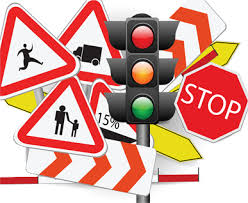 The main form of identification you have is your nationally identity card which Is carried by you with you at all times. But in the case of moving overseas your national identity card will not be of much use to authorize your identity and that’s why a passport is issued to travellers but there is also another document which is the drivers licences which not only serves the purpose of authorizing you as a legally accepted driver, but also certifies that you are legal citizen from the country which issues it to you. So, it serves dual purposes and that’s why it’s important to own a driver’s licence as early as possible. This article is structured to show you the importance and the advantages of owning a licence apart from it being a document to prove you’re on-road authority.
 Academic education is not the easiest stage in your life. We all know that. But when we consider the future plans and opened ventures, your academic education is a must to obtain with the right grading. Because the results have a true direct impact in choosing your future career.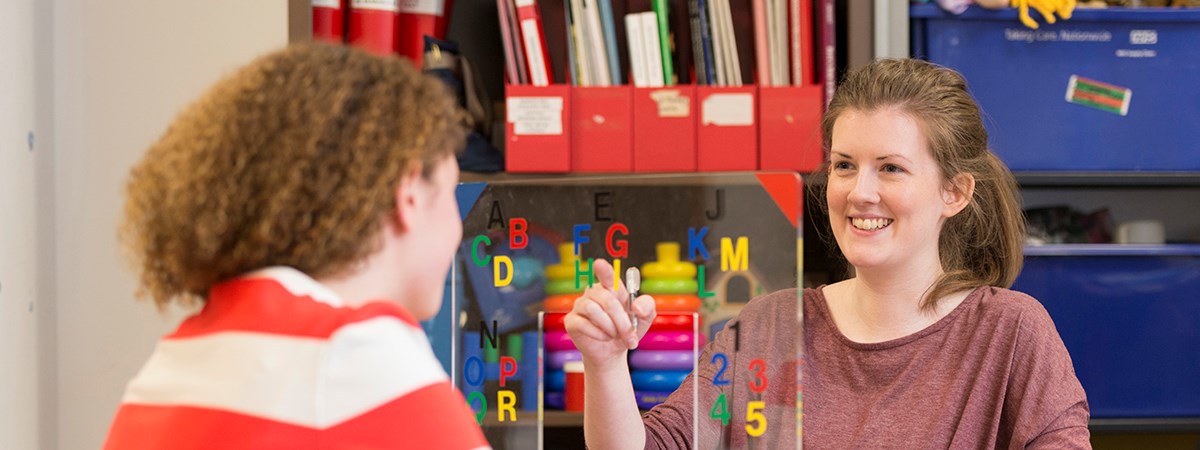
 The French language is spoken on five continents by more than 220 million people. It has become an important language when it comes to international communications. It is the sixth most widely spoken language and it generally the second most widely tough language after English. There are many ways you can learn to communicate in French. You can attend classes at a location close to you. You can also learn advanced French online which will be very convenient for someone with a busy schedule. You can simply learn it whenever you’re free. Your knowledge of French will prove very useful for when you learn another language such as Italian, Spanish, and Portuguese etc.
 Speed up the process
 One form of online jobs are micro jobs. Micro jobs involve in filling up forms online, clicking on various advertisements, watching and rating videos, commenting on content and many more. This is a very simple form of online jobs and will get you only a minor amount of money. The amount you get will surely depend on the task that you have to do.